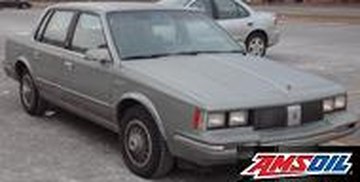
Maintaining Lubrication Integrity for the 1982 Oldsmobile CUTLASS CRUISER 3.8L
Proper engine lubrication is a fundamental aspect of long-term vehicle health, particularly for an engine like the 3.8L found in this 1982 Oldsmobile CUTLASS CRUISER. Maintaining the correct fluid condition ensures that internal components operate with minimal friction and that heat is effectively managed during operation. For owners of this vehicle, staying proactive with lubrication service and regular inspections can help prevent unnecessary wear and maintain engine performance.
Monitoring Fluid Condition and Potential Leaks
One of the most effective ways to monitor the health of your 3.8L engine is through regular visual inspections. Rather than waiting for a warning light or a significant mechanical change, an owner can look for subtle signs that indicate the lubrication system may need attention. These observations should be made during routine service or when performing basic checks under the hood.
When inspecting the engine bay, look for any evidence of fluid seepage around various sealing surfaces. While some minor weeping is common in older engines, active leaks can lead to a reduction in lubricant levels, which may cause operational issues. It is also useful to check the area around the oil filler cap and the drain plug for signs of residue or staining. If you notice fresh fluid accumulating on the underside of the engine or dripping onto the ground after the vehicle has been parked, it warrants further investigation.
Additionally, pay attention to any changes in how the engine behaves. While symptoms can have many different causes, an unusual noise or a change in the way the engine sounds during startup may be associated with lubrication concerns. If you observe any unexpected exhaust characteristics, such as smoke that appears differently than usual, this should be investigated to determine if it is related to internal engine processes.
Prioritizing Maintenance Based on Current Condition
For a vehicle from 1982, maintenance strategies are often most effective when they are based on the actual current state of the machine rather than just its age. While following a standard service schedule is important, an owner should prioritize tasks based on what the engine actually requires at any given moment.
If you are stepping into ownership of this Oldsmobile without a complete service history, establishing a maintenance baseline is a wise first step. This involves performing a thorough inspection of all fluids and checking for any evidence of previous neglect or inconsistent upkeep. Once you have identified the current condition of the belts, hoses, and seals, you can create a more tailored approach to preventive maintenance.
Addressing active concerns—such as a small leak that has just appeared or a fluid that is showing signs of contamination—should take precedence over general cosmetic or non-essential tasks. By focusing on these critical areas first, you ensure that the most vital systems are stabilized before moving on to broader maintenance goals. Keeping a detailed log of when fluids are changed and what observations were made during inspections will assist in making these decisions more accurately over time.
Inspecting Aging Engine Components
As vehicles age, certain materials and components naturally undergo changes due to thermal cycling and time. For the 1982 Oldsmobile CUTLASS CRUISER, periodic checks of accessible parts can help identify items that may be nearing the end of their service life.
If equipped, inspect all accessible drive belts for signs of deterioration such as cracking, glazing, or fraying. Similarly, if the vehicle is present with various rubber hoses, check them for excessive softness, brittleness, or bulging. These components are vital for the overall operation of the engine and its accessories, and catching a failing part early can prevent more significant issues.
Electrical connections and wiring should also be monitored. Over time, connectors can become brittle or develop corrosion, which may affect how various sensors or electrical components communicate. A quick visual check for frayed wires or loose connections can be a simple way to ensure the vehicle's electrical integrity remains intact.
The Role of Lubrication in Engine Longevity
Engine oil performs several vital roles that go beyond simply reducing friction. It acts as a medium for heat management, helping to carry thermal energy away from high-temperature areas within the engine block and head. Furthermore, modern lubricants are designed with additives that help manage contamination and prevent the buildup of deposits or sludge that can occur over long periods of operation.
Maintaining clean oil is essential because as the lubricant circulates, it picks up microscopic particles and combustion byproducts. If the oil is not changed according to a proper schedule, these contaminants can accumulate, potentially affecting the fluid's ability to protect internal surfaces. Consistent attention to the lubrication system ensures that the engine remains protected against the cumulative effects of heat and debris.
Practical Steps for Long-Term Ownership
Successful long-term ownership of a classic vehicle like this Cutlass Cruiser involves moving from reactive repairs to proactive management. This means not just fixing things when they break, but observing the vehicle closely enough to catch changes before they become failures.
- Review Service History: Whenever possible, look for records of past oil changes, filter replacements, and major component repairs. This helps you understand if the engine has been well-cared for or if there are areas that need immediate attention.
- Monitor Consumption: Keep an eye on whether the engine requires more frequent top-offs of its fluids. A sudden increase in consumption can be a sign that seals or internal components are changing.
- Document Observations: If you notice a small seep or a slight change in engine noise, write it down. Tracking these changes over months or years allows you to see patterns that might otherwise go unnoticed.
- Distinguish Needs: Learn to differentiate between routine preventive maintenance (like changing oil and filters) and unnecessary parts replacement. Focus your resources on components that show actual signs of wear or impending failure.
Buying Engine Oil for the 1982 Oldsmobile CUTLASS CRUISER 3.8L
When it is time to replenish your engine's lubricant, it is essential to select a product that aligns with the specific requirements of your application. To ensure you are using the correct fluid, match the engine oil to the application-specific viscosity information already displayed on this page.
While choosing between conventional, synthetic blend, or full synthetic oils, consider the overall maintenance goals for your 3.8L engine. Some owners may look toward high-mileage formulations, which contain additives intended for use in aging engines and may include seal-conditioning properties. Regardless of the formulation you choose, always verify that the product meets the appropriate API certification listed on the container to ensure it provides the necessary level of protection and deposit control. Always check the product labeling carefully before purchase to confirm it matches the specifications provided in your vehicle's application data.